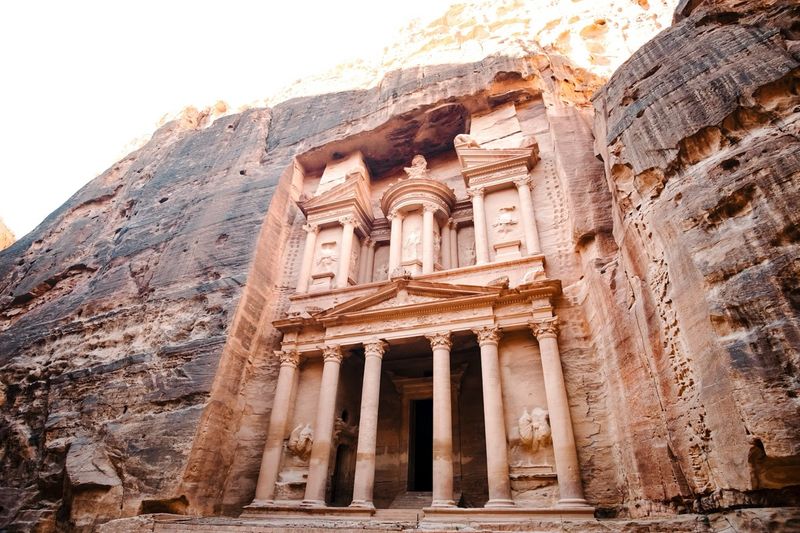
A transformative experience following the biblical narrative of the Exodus. From slavery to freedom, from wilderness to promise, through the lands of Egypt and Jordan.
This is not merely a history lesson; it is a living reminder of God's faithfulness, His delivering power, and His call to faith and obedience.
The Pyramids of Giza

4,600 years old, the Pyramids of Giza remain one of humanity's most impressive achievements. The three great pyramids — Khufu (Cheops), Khafre (Chephren), and Menkaure (Mycerinus) — demonstrate pharaonic power in a way that exceeds imagination. One of the Seven Wonders of the Ancient World, the pyramids are the only wonder that still exists today.
These are the monuments of the same civilization that enslaved the people of Israel for generations. Standing at their base, the scale of the oppression becomes palpable.
“So they put slave masters over them to oppress them with forced labor, and they built Pithom and Rameses as store cities for Pharaoh.”
— Exodus 1:11
The Sphinx

With the face of Chephren and the body of a lion, the Sphinx was the protector of the pharaonic realm — a symbol of divine power that the pharaohs attributed to themselves. Carved from a single rock, this stone guardian has watched over the Giza Plateau for thousands of years. It is considered one of the largest and oldest monumental sculptures in the world.
Here you better understand why the liberation of Israel required divine intervention — the power of Egypt was colossal.
The Grand Egyptian Museum
With an exhibition area of 50,000 sq m and a total area of 460,000 sq m, the Grand Egyptian Museum is the most impressive collection of Egyptian artifacts in the world.
The Tutankhamun Collection
Over 5,000 objects belonging to the young pharaoh: the royal throne, ceremonial jewelry, and the famous golden funerary mask — an iconic symbol of ancient Egypt. Each object speaks of the wealth and complexity of the civilization that confronted Moses.
Nile Cruise

A 2-hour cruise on the most famous river in the world. The Nile has nourished civilizations throughout millennia, being the source of life for all of Egypt.
On these waters, Moses floated in a basket as an infant, saved by Pharaoh's daughter. These same waters were turned to blood in the first plague.
“Then she placed the child in it and put it among the reeds along the bank of the Nile.”
— Exodus 2:3
“This is what the LORD says: 'By this you will know that I am the LORD.' With the staff that is in my hand I will strike the water of the Nile, and it will be changed into blood.”
— Exodus 7:17